The Agra issue
What Makes Agra Manageable for a Woman Travelling Alone
Tickets, licensed guides, prepaid fares and an evening with a fixed finish time: the specific arrangements that take the negotiation out of a solo trip to Agra.

By Matteo FerraroAgra is a Mughal city, not a single monument
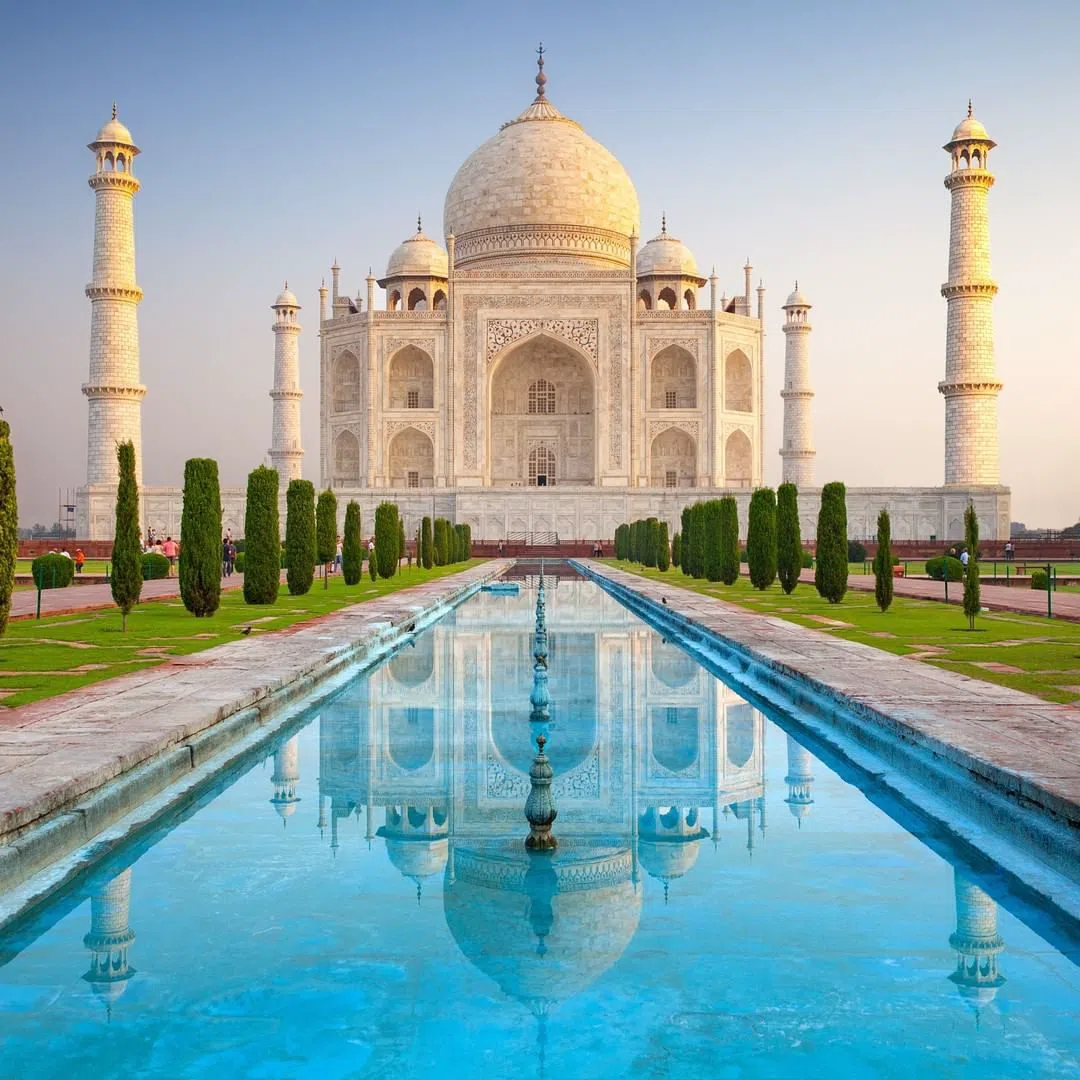
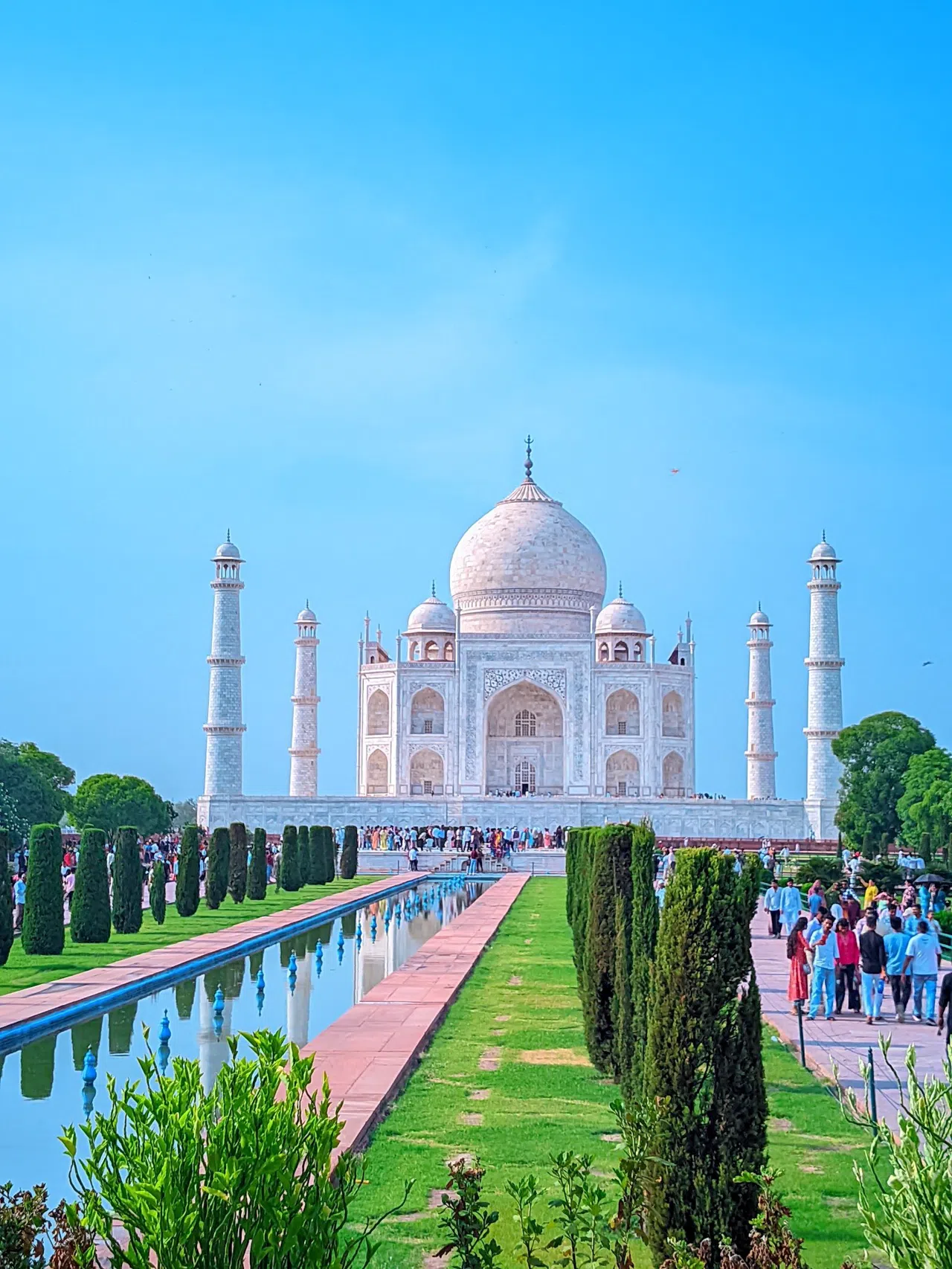
Agra concentrates itself into about ninety minutes. The Taj Mahal's east gate opens half an hour before sunrise, and by around nine the light has gone flat and the crowds have thickened. The touts, the auto drivers, the marble showrooms and the men holding laminated cards at the gates are all arranged around that one window. Plan around it and the rest of the city is ordinary and workable. Travelling here on your own depends less on nerve than on removing the handful of moments where you would otherwise be negotiating with a stranger.
The arrival sets the tone for everything after it
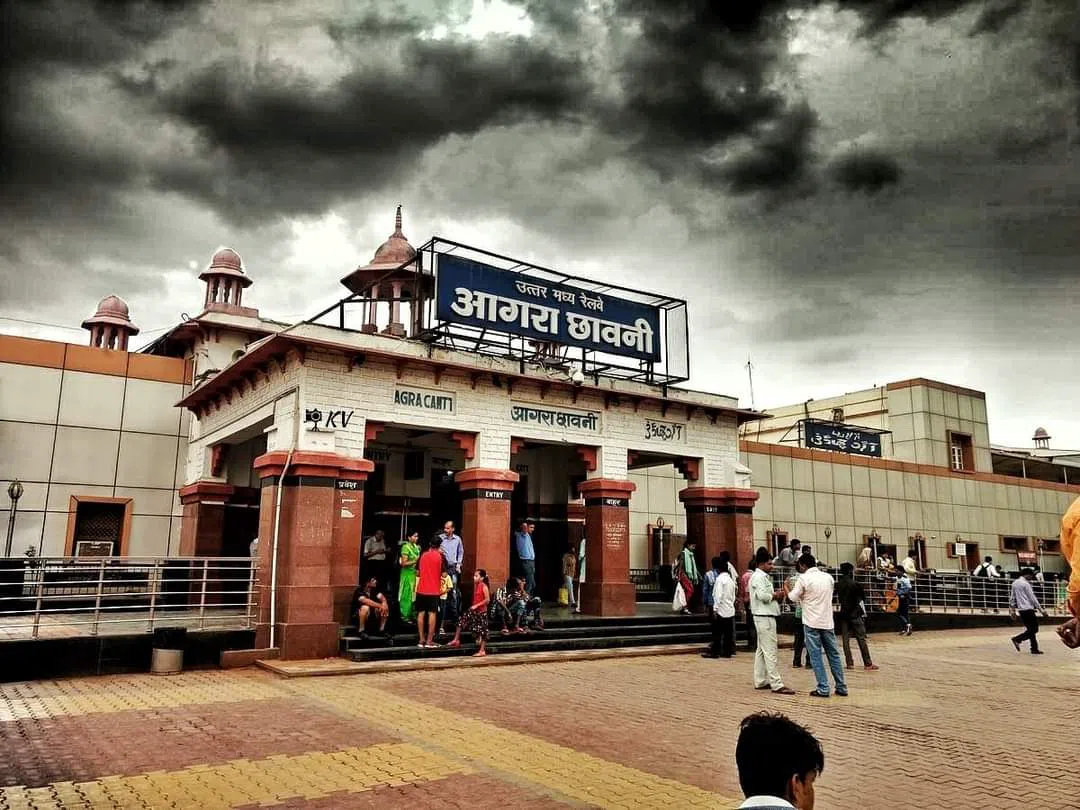
Most of the difficult Agra stories start on a station platform rather than at a monument. Coming in by rail, the Gatimaan Express (IRCTC) (arrives Agra Cantt) covers the run in 100 minutes in a reserved, air-conditioned coach with staff on board, at ₹860 in AC Chair Car or ₹1,695 in Executive Class each way. Book the seat number in advance on IRCTC rather than buying at a counter, because a reserved number means nobody is standing over you asking whether you would mind swapping. The train runs six days a week with no service on Fridays, which is also the day the Taj is closed, so a Friday trip loses both the train and the monument. Groups need to book together and early; the chair cars fill on the popular departures.

The forecourt at Agra Cantt is the pinch point. Drivers will reach you on the platform, before the exit, with a fare and a story about your hotel being closed or moved. Walk past them to the Agra Cantt Prepaid Taxi & Auto Booth (inside the station, Agra Cantt) and pay at the window: ₹150 to ₹300 to the Taj Mahal or Agra Fort, ₹20 to ₹30 a head in a shared auto. You get a numbered receipt, one per vehicle, so the fare is fixed and the vehicle is traceable. The traceability is what you are buying, not the saving on the fare. A larger party should take a prepaid car rather than splitting across two autos and arriving separately.
If you would rather skip the station entirely, The Delhi Way (private day-trip operator, door-to-door) runs trips into Agra with the same driver from pickup to drop-off, typically ₹12,000 to ₹20,000 per car including driver, guide and lunch. It is a women-run company and will pair solo travellers onto the same departure where schedules allow. That is premium pricing, and what it removes is the station forecourt on arrival and the ride back once it is dark, the two moments women most often flag as uncomfortable.
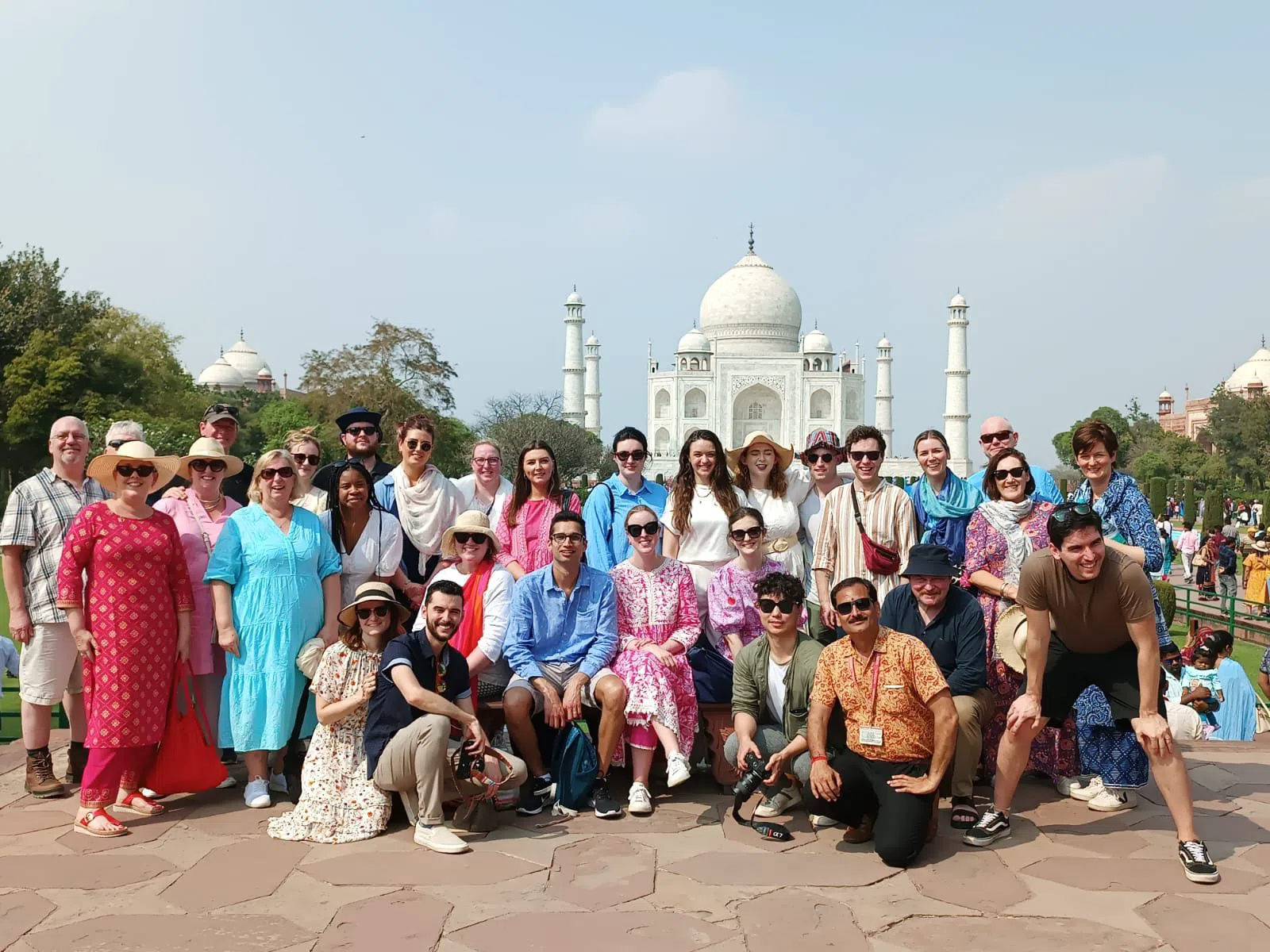
Plan your Agra trip
Live prices from our booking partners.
Free cancellation on many rooms. We may earn a commission when you book.
Where you sleep decides how much of the day you spend arranging transport
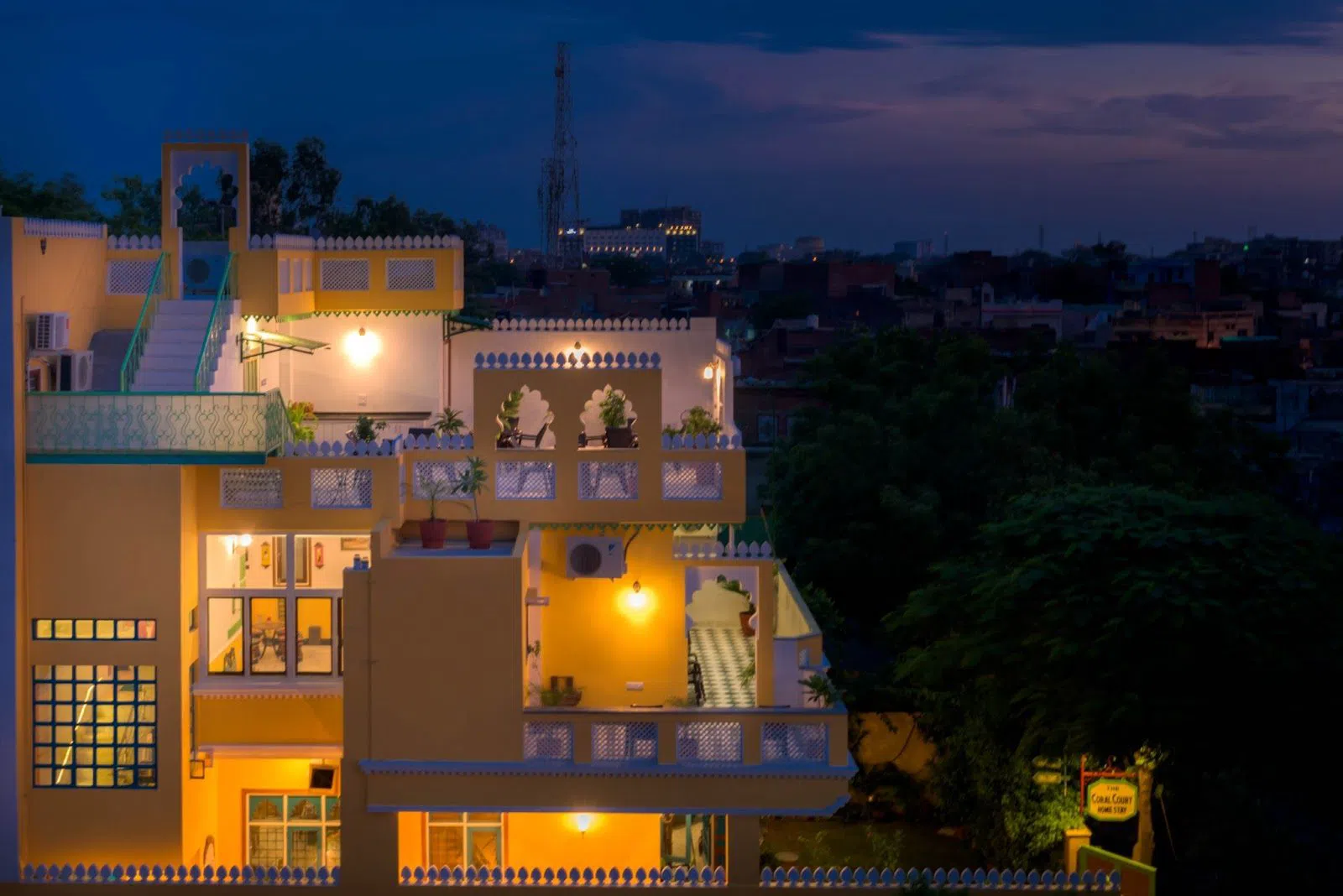
A 5.30am start is easier from a room you can walk out of. The Coral Court Homestay (Tajganj) sits about ten minutes on foot from the Taj gates at roughly ₹3,000 to ₹5,500 a night with breakfast. It is family-run and small, which suits solo travellers and families and rules out a group booking. Solo women in current reviews single it out, and the reason is mostly geography: you are not standing on a dark street at dawn explaining to a rickshaw driver where you want to go.
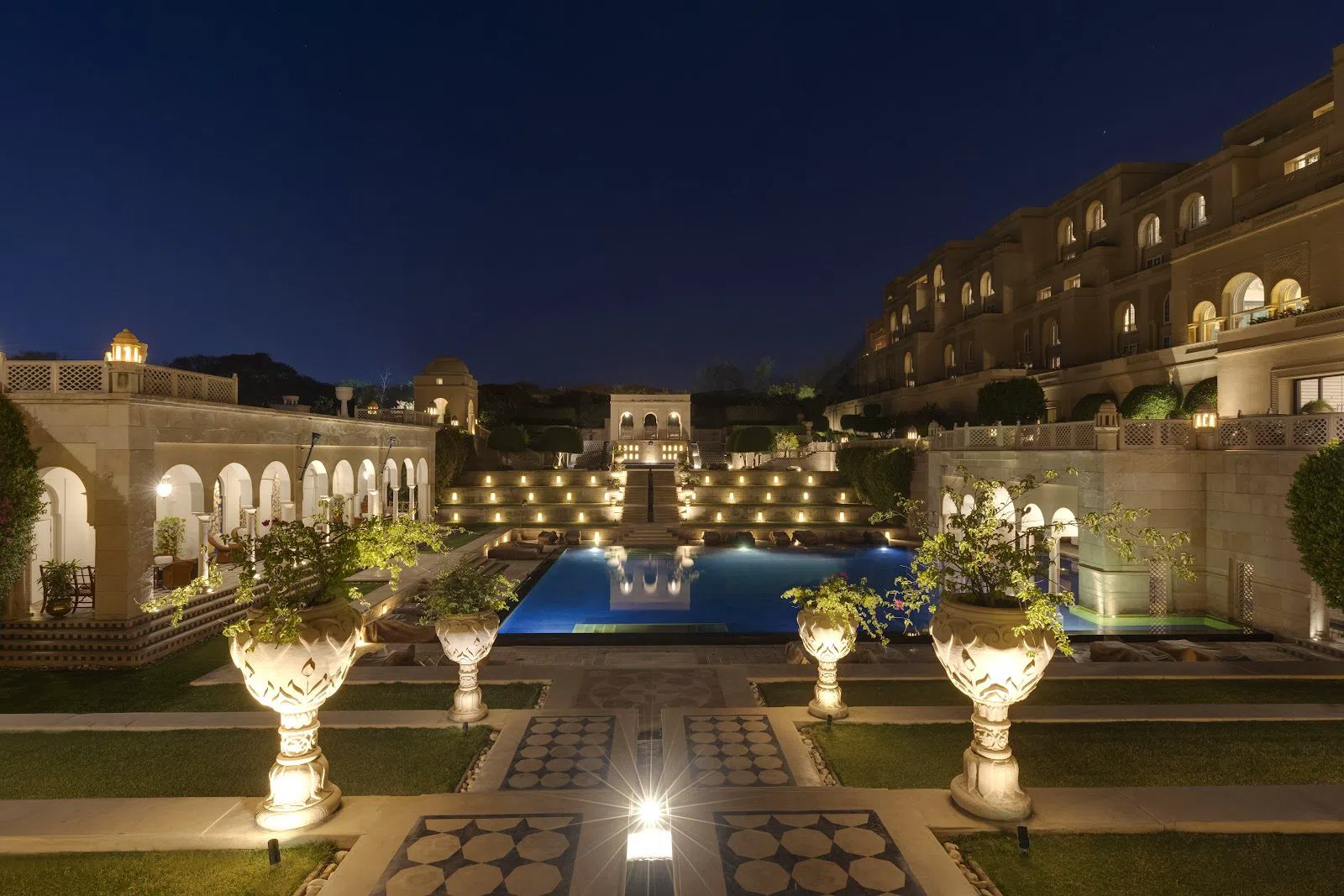
At the other end, The Oberoi Amarvilas (Taj East Gate Road, Tajganj) is 600m from the east gate with its own golf-cart shuttle, a gated drive, a doorman and full security screening, from ₹45,000 a night. Rooms are limited, so groups need long lead times. The case for it on a first solo visit is the perimeter rather than the balcony view: arrival, ticketing and the pre-dawn transfer all happen inside one controlled space. Both properties sit alongside the rest of the city's rooms in the Agra hotel search, where the filter that matters is walking distance to a gate rather than the star rating.
The Taj Mahal, gate by gate
Buy the ticket on the ASI portal before you arrive. It costs ₹1,100 for foreign nationals with an optional ₹200 mausoleum ticket on top (₹50 plus ₹200 for Indian nationals), and entry to the Taj Mahal (Tajganj) is unlimited walk-up within ticketed slots. The queue that costs you time is the security line, not the ticket window. Holding a pre-paid ticket also closes the biggest opening for touts, who work the gap between the counter and the gate and are looking for someone who does not yet have a ticket in hand.
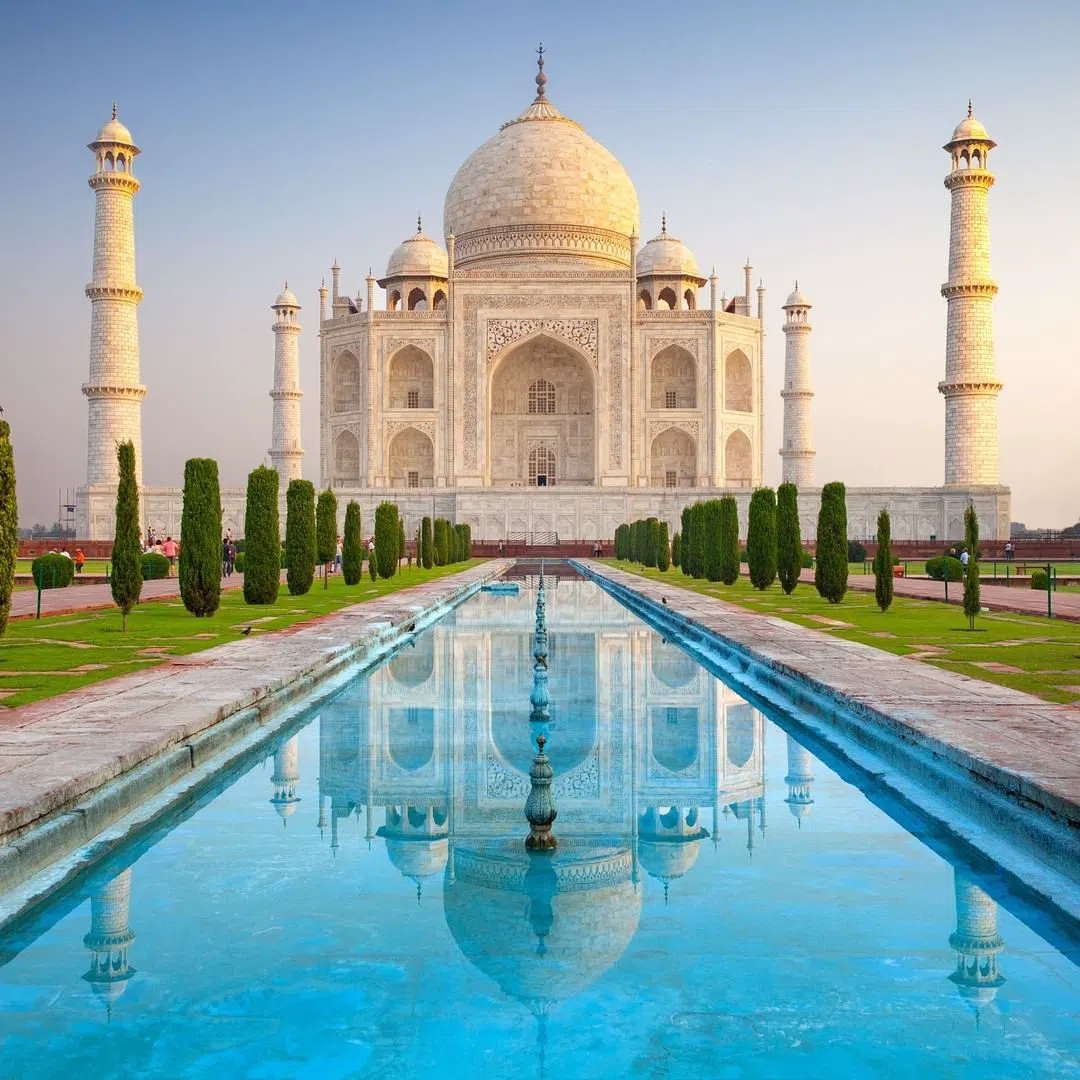
Two rules shape how you move through security. There are separate men's and women's frisking lines at every gate, so a woman arriving alone joins her own line and is searched by staff on that side. You are also allowed one bag per person past security, with one licensed guide per party and no more. Leave everything else at the hotel; tripods, food and large bags will be turned back, and the cloakroom queue will eat the light you came for. The monument is closed on Fridays and opens thirty minutes before sunrise, which in practice means being at the gate in the dark.
Fridays belong to the fort
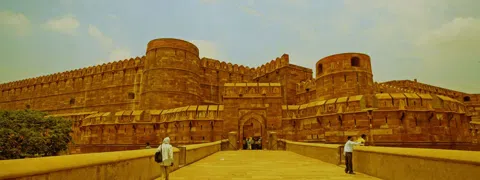
Because the Taj shuts on Fridays, plenty of first-time itineraries lose a morning. Agra Fort (Rakabganj, Amar Singh Gate) is open all seven days and is the sensible use of that time: ₹650 for foreign nationals, dropping to ₹600 on Fridays, ₹50 for Indian nationals, with counters at Amar Singh Gate taking cash, card and UPI so you do not need to have found an ATM first. It handles groups easily and there is no timed-slot pressure.
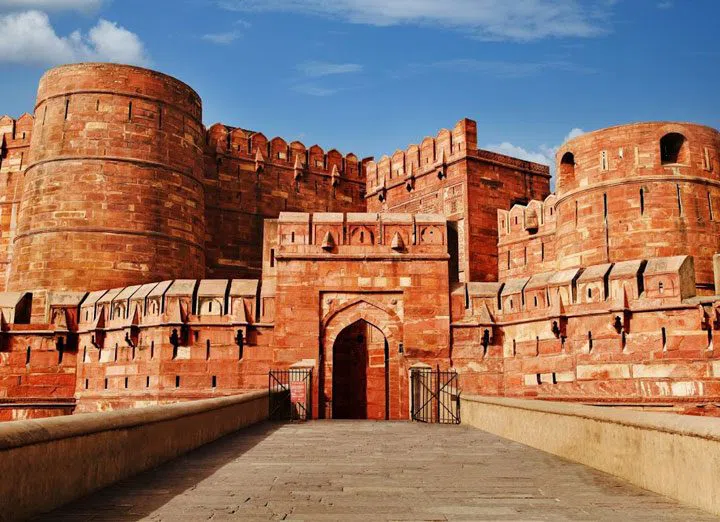
It is also the easiest monument in the city to visit alone. The site is a sequence of enclosed courtyards with staff and other visitors throughout, and it has nothing like the Tajganj approach roads, where the pavement and the sales pitch are the same thing. If your first afternoon in Agra is going to be spent adjusting to the volume of attention, spend it here rather than around the Taj's south gate.
A guide with a licence number you can check
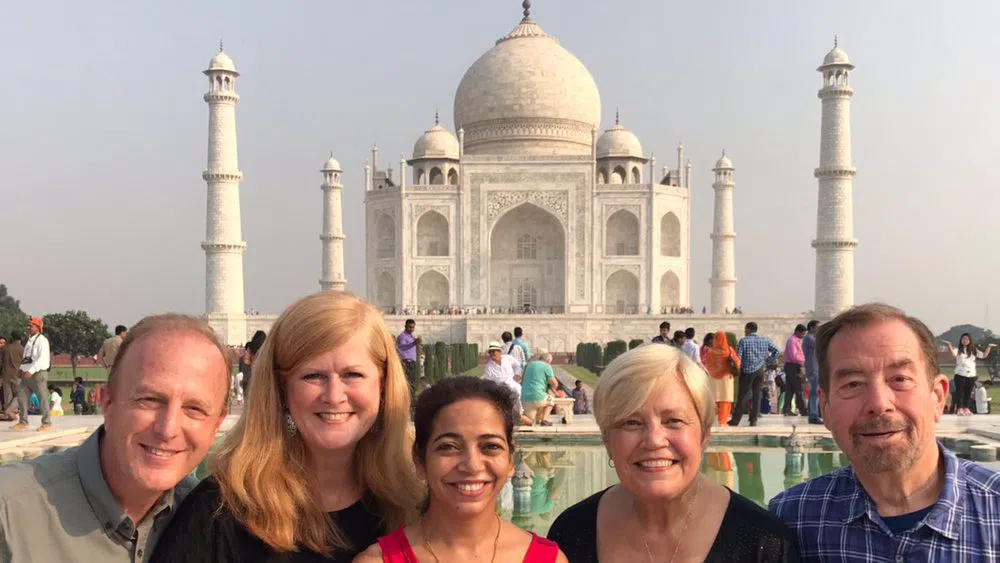
A licensed guide carries a booklet with a number in it, and a commission tout does not. Monika Sharma — Government-Approved Female Guide, Agra (private bookings, meets at the monuments) has been licensed by the Ministry of Tourism and guiding in Agra since 2010, at roughly ₹1,250 to ₹2,500 for a half day with monument tickets extra. She takes solo travellers and families. The verification step is the same whoever you book: ask to see the yellow licence booklet and check the number against the ASI list held at the Taj office. Anyone who is genuinely licensed expects this. Remember that ASI caps it at one licensed guide per party inside the monuments, so a couple or a family books one guide, not two.
For the city outside the monuments, SoulWalks (old-city and bazaar routes) runs private and small-group walks at roughly ₹2,000 to ₹4,500 per person depending on the route and what is included. The company rebranded: the Agra Heritage Walks name is retired, the guides and routes are the same, and bookings now run through SoulWalks, so a stale link is not a red flag by itself. The old-city route works best under about eight people; above that the group loses the lanes. Walking the bazaars once with a local is the fastest way to stop reading every approach as a threat, which matters more on day one than anything you will learn about Mughal architecture.
Sunset from the far bank, with the ride home already booked
Mehtab Bagh (Nagla Devjit, north bank of the Yamuna) is the sunset view across the river from the Taj, at ₹300 for foreign nationals and ₹25 for Indian nationals, with no online booking, so buy at the counter. It is open every day including Friday, takes groups easily on the open lawns, and the gates close at sunset, so late arrivals are turned away rather than let in for the last ten minutes.
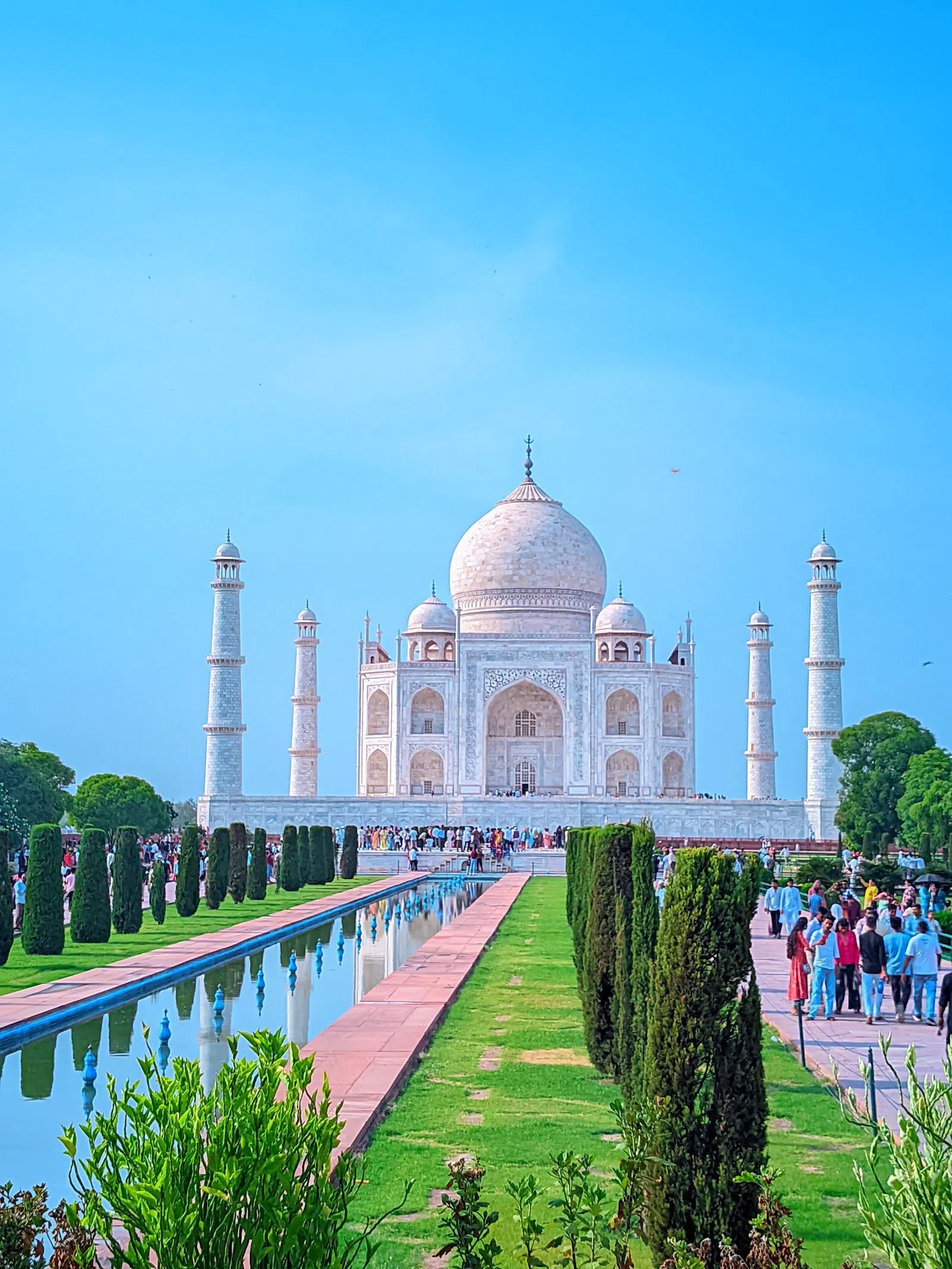
Prefer it over the informal riverbank viewpoints because it has a ticket counter, staff and other visitors, instead of an unlit stretch of sand and whoever else has found it. The one arrangement to make in advance is your ride back. The road outside empties within about twenty minutes of the gates closing, and standing there in the dark negotiating a fare is the situation the rest of this planning is designed to avoid. Hold your driver, or book the return before you go in.
Two rooms where eating alone attracts no attention
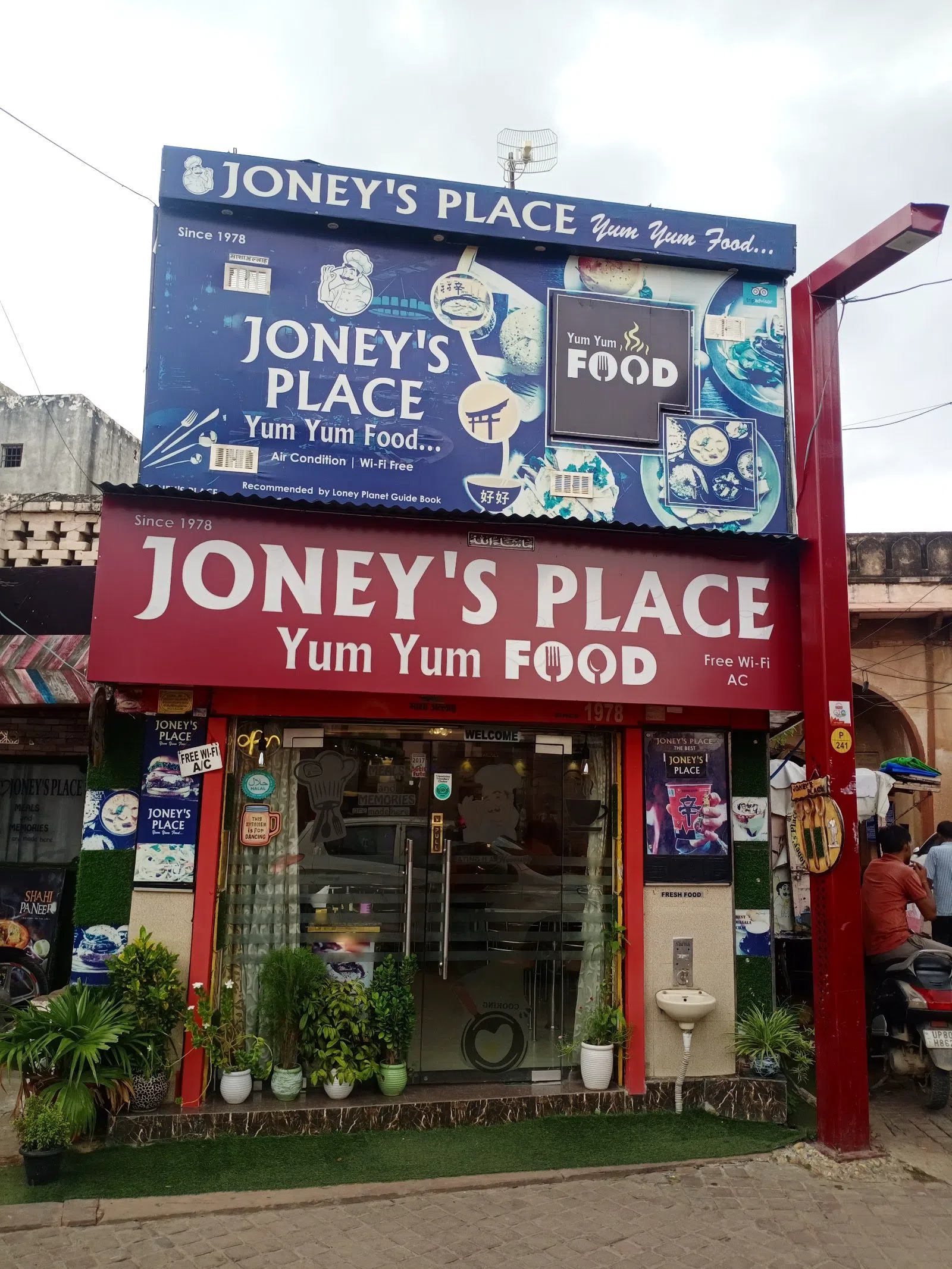
Joney's Place (Tajganj, a short walk from the Taj south gate) seats roughly a dozen people, is family-run and decades old, and costs ₹150 to ₹400 a head. It opens straight onto the street with the kitchen in plain sight, which is why it works when you are on your own. You are visible, the room is small, and a woman eating alone is unremarkable there. It is genuinely too small for a group; four is already a squeeze.
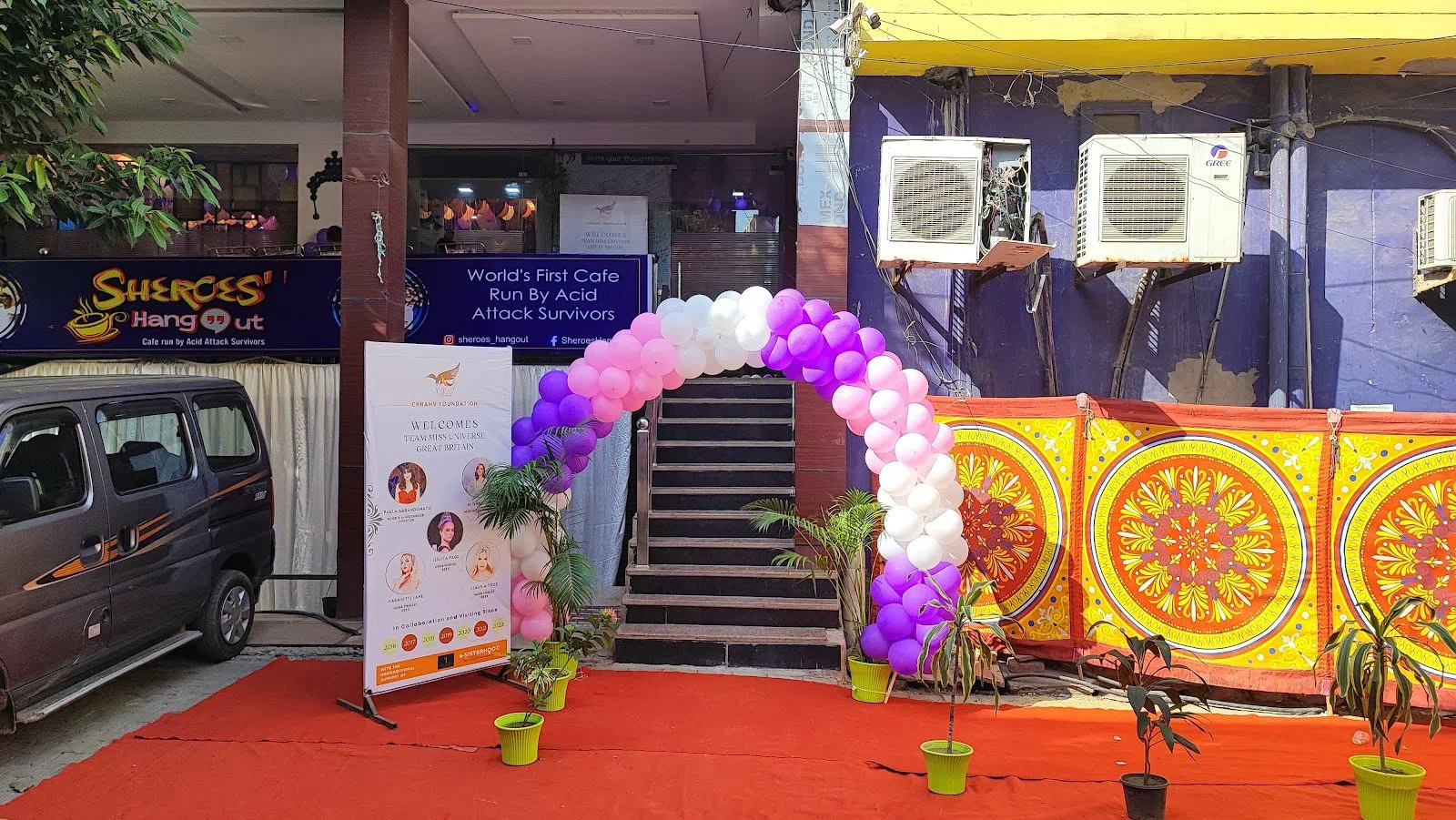
Sheroes Hangout (Fatehabad Road, ten minutes from the Taj east gate) is a pay-what-you-feel café staffed entirely by acid-attack survivors, with profits funding surgery and legal aid through the Chhanv Foundation. There is no menu price; ₹200 to ₹400 is a fair contribution. It opens 10am to 7pm daily, takes walk-ins, and the room is small enough that anything over about ten people needs a call ahead. It is an easy place to sit for an hour between the morning at the Taj and whatever the afternoon holds, and nobody will ask why you are by yourself.
Marble, and the commission chain behind it
Sooner or later a driver will offer to show you a marble factory. Almost always the driver is paid a percentage of whatever you spend there, which is why the detour appears unprompted and why the pressure inside is heavy. Subhash Emporium (Gwalior Road) is the counterweight: established in 1962, free to visit, with inlay demonstrations for small parties and pieces running from ₹1,500 to lakhs. Current reviews describe it consistently as commission-free with no pressure to buy, and groups can be taken by appointment.
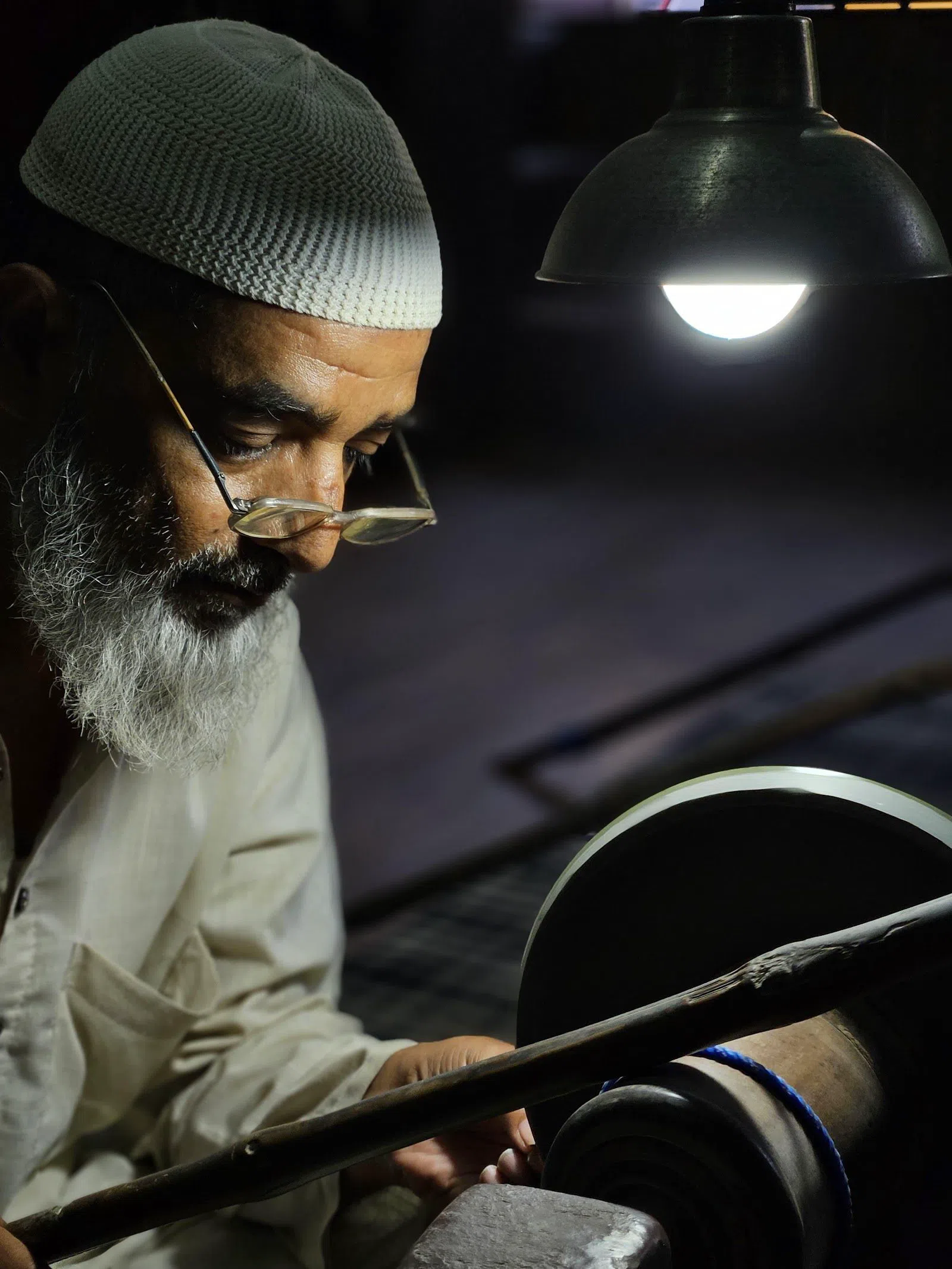
What you need is a way to decline the unrequested stop. A prepaid fare or a pre-booked car makes that easy, because the driver has no financial stake in your afternoon. If you are in a car for the day, say at the start that you are not visiting shops. It is a normal thing to say, and it settles the question before it becomes an argument at the roadside.
The evening, which is the part nobody plans
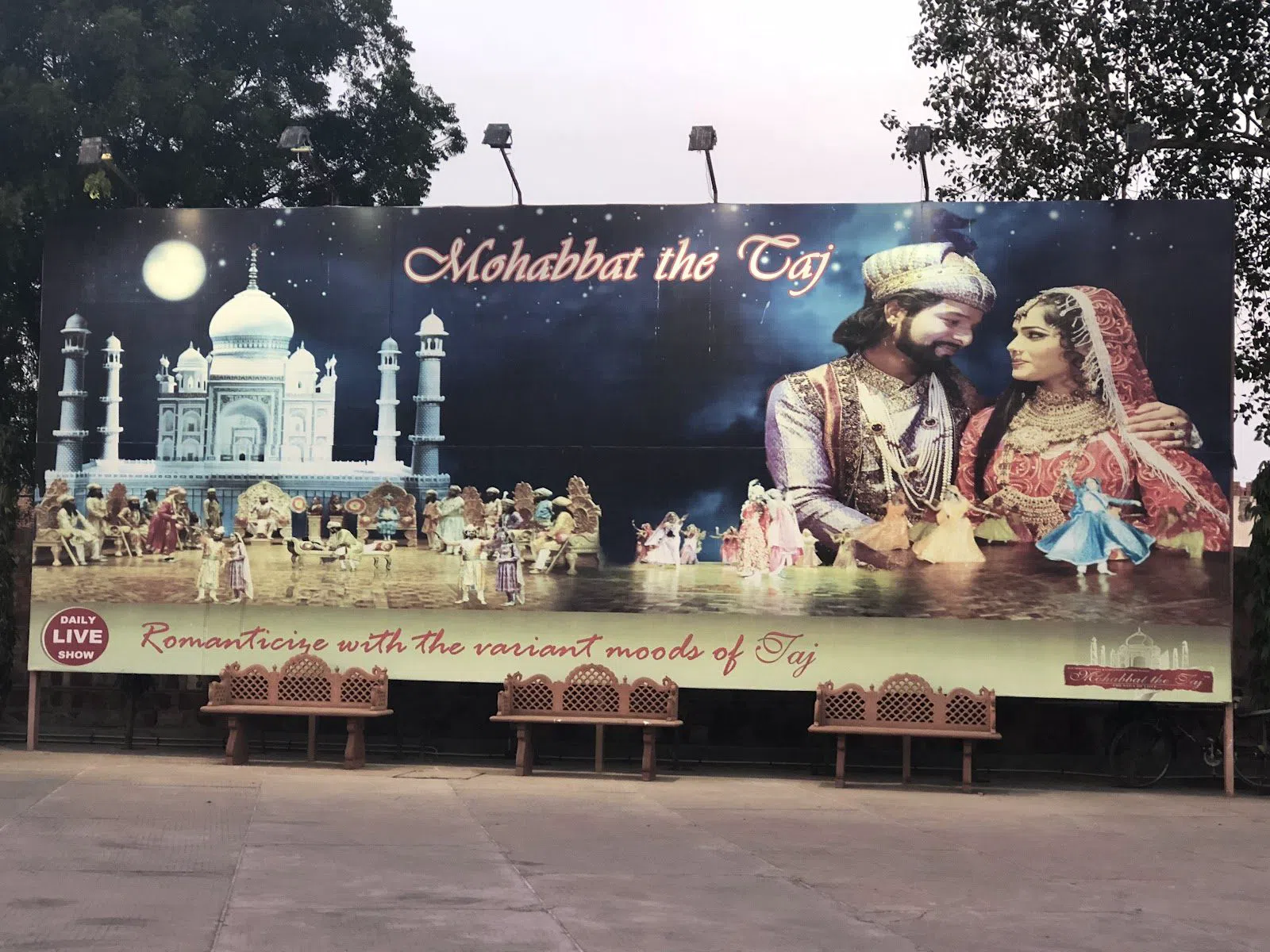
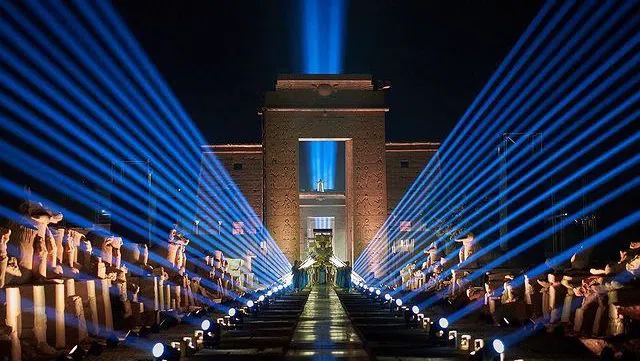
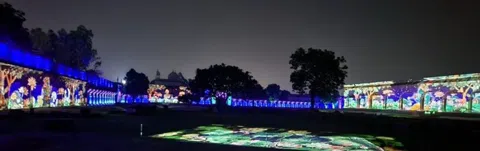
Agra after dark is the gap in most itineraries. The monuments have closed, the streets around Tajganj are dim, and a hotel room at seven in the evening makes for a long night. Kalakriti Cultural & Convention Centre (Fatehabad Road) fills it with 'Mohabbat the Taj', a scripted show in a 1,000-plus seat auditorium with assigned seating, ₹800 to ₹2,500 depending on category. Shows run early evening and mid-evening, and the venue is closed from May to July.
It is built for coach parties, which is what makes it comfortable alone: assigned seats, an indoor staffed room, a fixed finish time you can give a driver in advance. It is more useful as logistics than as culture, and on that basis it earns its ticket price. More context on the rest of the city, including what sits beyond the two big monuments, is in the Agra guide.
Practical notes
For transport, use the prepaid booth at Agra Cantt on arrival and pre-arranged cars after dark, hold the same driver for a full day rather than hailing fresh rides, and never take the free shop stop. On cash: Agra Fort's counters take cash, card and UPI, but Mehtab Bagh sells tickets at the window only, and Joney's Place and the auto fares run on small notes, so carry ₹2,000 to ₹3,000 and buy Taj tickets online in advance. On timing: the Taj Mahal is closed Fridays and opens thirty minutes before sunrise; Agra Fort is open daily and cheaper on Fridays; Mehtab Bagh's gates shut at sunset; Sheroes Hangout runs 10am to 7pm; Kalakriti is dark from May to July; and there is no Gatimaan service on Fridays. On budget: a frugal but comfortable day runs roughly ₹5,000 to ₹7,000 including the Taj ticket, a homestay bed, prepaid transport and two cheap meals; add ₹1,250 to ₹2,500 for a licensed half-day guide, and a door-to-door private day trip sits at ₹12,000 to ₹20,000 per car. The money that buys the most comfort goes on the walk-to-the-gate room and the traceable ride, in that order.
Before you go
Is Agra manageable for a woman travelling on her own?
Yes, with planning. Most of the difficulty sits in three moments: the station forecourt on arrival, the unrequested shop stop, and the ride back after dark. A prepaid receipt from the Agra Cantt booth, a pre-booked room within walking distance of a Taj gate such as The Coral Court Homestay, and a return ride arranged before sunset at Mehtab Bagh remove all three.
Do I need to buy Taj Mahal tickets in advance?
Buy on the ASI portal before you arrive. Entry is unlimited walk-up within ticketed slots, so the queue that costs you time is security rather than the ticket window, and arriving without a ticket is the main opening touts work at the gates. It is ₹1,100 for foreign nationals plus an optional ₹200 mausoleum ticket, ₹50 plus ₹200 for Indian nationals.
What can I do in Agra on a Friday when the Taj Mahal is closed?
Agra Fort is open all seven days and is ₹600 for foreign nationals on Fridays, ₹50 for Indian nationals, with cash, card and UPI accepted at Amar Singh Gate. Mehtab Bagh is also open on Fridays for sunset. The Gatimaan Express does not run on Fridays either, so do not plan a Friday train arrival.
How do I know a guide is actually licensed?
Ask to see the yellow licence booklet and check its number against the ASI list held at the Taj office; a licensed guide expects the question. Monika Sharma has been Ministry of Tourism licensed and guiding in Agra since 2010, at roughly ₹1,250 to 2,500 for a half day plus tickets. ASI allows only one licensed guide per party inside the monuments.
What is there to do in Agra after dark?
Kalakriti Cultural & Convention Centre on Fatehabad Road runs 'Mohabbat the Taj' in a 1,000-plus seat auditorium with assigned seating, ₹800 to 2,500, early evening and mid-evening, closed May to July. The evening is indoors and staffed, and it ends at a fixed time you can give a driver in advance.